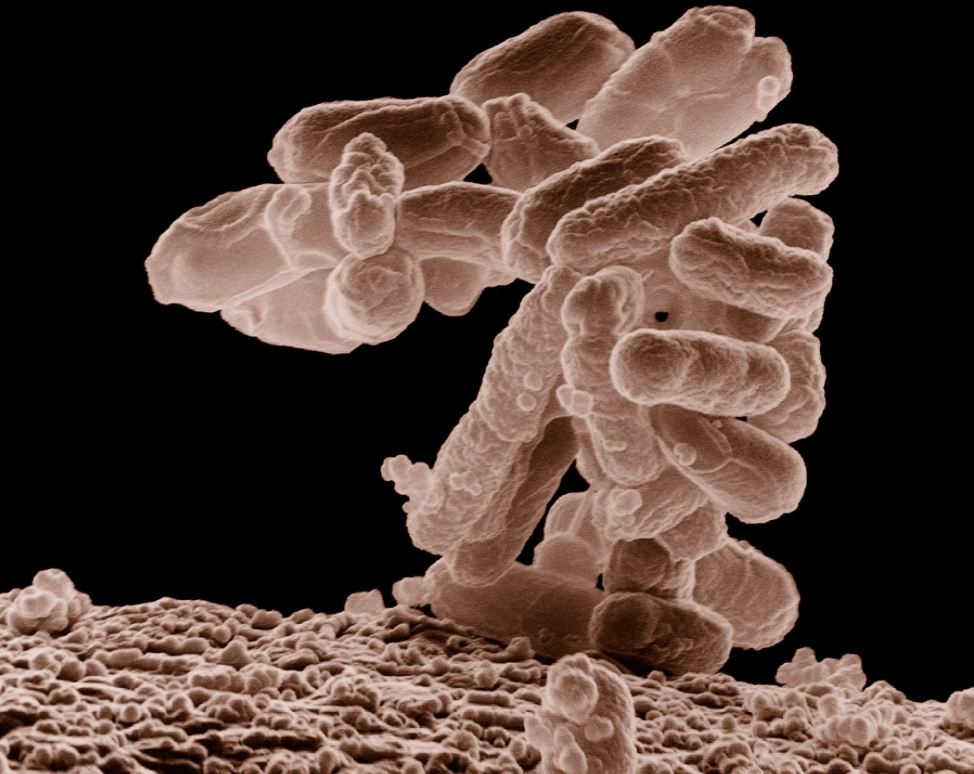
First Life with “Alien” DNA Created in Lab | Scientific American
What specific modification did scientists make to the bacterium’s DNA that qualifies it as having “alien” genetic material?
They added d5SICS and dNaM bases into DNA.
How do the added synthetic DNA bases differ from the natural four bases found in all known life on Earth?
They bear little chemical resemblance to the four natural bases.
Why is the creation of a semi-synthetic organism considered a breakthrough in synthetic biology?
Because it raises the possibility that cells can one day be engineered without any of the natural four bases. It is also a step towards the synthesis of cells that can generate useful materials.
What challenges did researchers need to overcome to ensure the organism could replicate its new “alien” DNA stably?
The molecules had to be compatible with the enzymatic machinery that copies and translates DNA.
What potential applications do scientists envision for organisms with expanded genetic alphabets?
Potential uses include the incorporation of a toxic amino acid into a protein to ensure that it only kills cancer cells, and the development of glowing amino acids that could help scientists track biological reactions.
How might X and Y (the synthetic nucleotides) change the limits of what proteins living organisms can produce?
The successful results shown with X and Y shows that scientists can potentially tinker with cells to perform specific actions or produce needed materials.
Why is biological containment an important issue in research involving semi-synthetic organisms, and how was it addressed in the study?
Controlling the uptake of foreign DNA bases is a safety measure to prevent the survival of alien cells outside the lab.
“Malyshev sees the ability to control the uptake of foreign DNA bases as a safety measure that would prevent the survival of alien cells outside the lab, should they escape.”
What ethical considerations arise from creating organisms with genetic features not found in nature?
It means scientists could potentially create organisms with specific functions for our benefit that are discarded and replaced after use.
How does this research challenge traditional definitions of life?
Some religions believe their god/gods created life. If scientists can do the same, what would happen to their beliefs?
If organisms could one day use more than the natural four DNA bases, how might this transform biotechnology or medicine? Provide one example.
They could potentially add or remove bases and features they need/do not need.
I found this article very interesting because the idea of scientists potentially being able to modify and edit DNA opens many possibilities (as stated in the article). I believe that if DNA can be modified to satisfy humanity’s needs, it will drastically affect the medical field if the public can have access to the technology (as a treatment of sorts)
 kjyworld.blog
Leave a comment